Lighting is a crucial aspect of any built environment, and it plays a vital role in determining how we interact with our surroundings. Over the years, the focus of lighting design has shifted from merely illuminating spaces to creating visually pleasing and aesthetically appealing environments. However, with the increasing use of technology, we have started to lose touch with the human-centric aspects of lighting.
Human-centric lighting is an approach that takes into account the natural circadian rhythms of the human body, and how they are affected by light. It is an approach that seeks to create lighting solutions that support human health and wellbeing, as well as productivity and efficiency. Human-centric lighting recognizes that people spend most of their time indoors, and that lighting can have a significant impact on their physical, mental, and emotional health.
Here are some reasons why we need human-centric lighting:
- Supports natural circadian rhythms: Our bodies are designed to respond to natural light cycles, and disruptions to these rhythms can have negative effects on our health. Human-centric lighting is designed to mimic the natural light cycle and help regulate our circadian rhythms, leading to better sleep patterns, improved mood, and increased productivity.
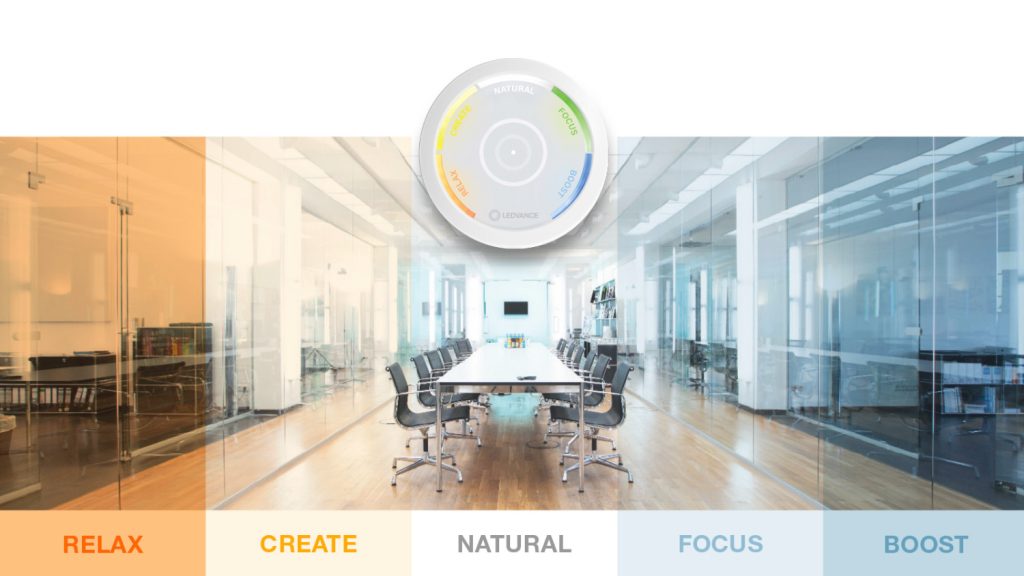
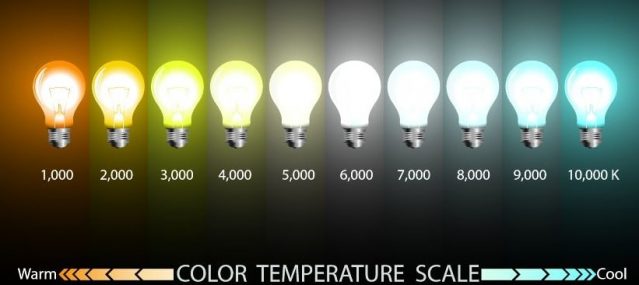
- Improves concentration and productivity: The right lighting can help improve concentration, alertness, and productivity. Human-centric lighting solutions can be designed to increase or decrease in intensity and color temperature throughout the day, depending on the needs of the user. This can help employees stay alert and focused during the day, leading to increased productivity.
- Enhances mood and wellbeing: The quality of light has a significant impact on our mood and wellbeing. Human-centric lighting can be used to create a comfortable and relaxing environment that promotes positive emotions and reduces stress levels. It can also be used to create a sense of community and belonging by mimicking the natural light of different seasons or times of day.
- Supports health and wellbeing: Lighting can have a significant impact on our health, particularly our sleep patterns. Human-centric lighting can help regulate our sleep-wake cycle, which can have a positive impact on our physical and mental health. It can also be used to create a safe and healthy environment by reducing the risk of eye strain, headaches, and other health problems associated with poor lighting.
In conclusion, human-centric lighting is a crucial aspect of creating healthy, comfortable, and productive indoor environments. By taking into account the natural circadian rhythms of the human body, we can create lighting solutions that support our physical, mental, and emotional health, as well as our productivity and efficiency. As we continue to spend more time indoors, it is essential that we prioritize human-centric lighting in our built environments.